Almost everybody has a little wooden box from the past that they treasure. Here is a story of one...
The Erasmuses of Biddulphsburg
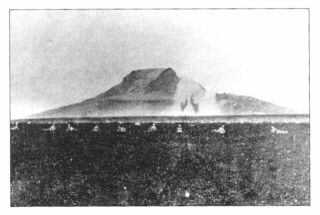
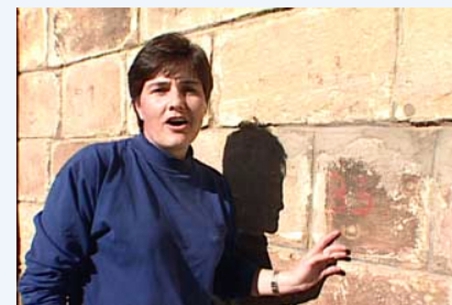
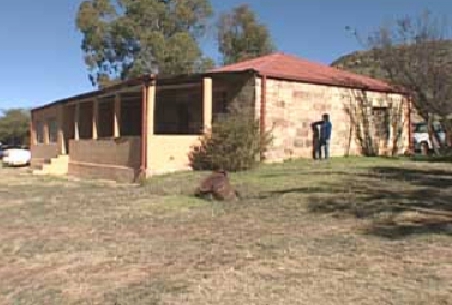
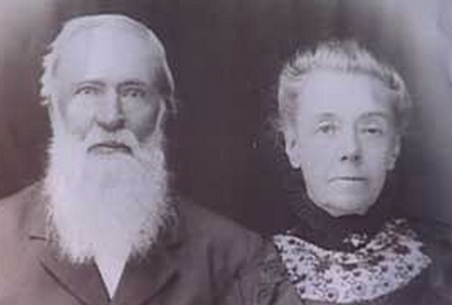
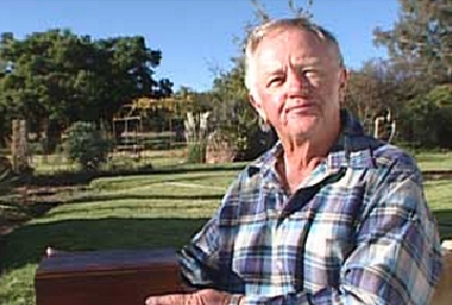
This little farmhouse had the 'front seats' to the Battle of Biddulphburg, where at the foot of the hill the British formed, advancing on the little homestead which was defended by the Boers. The veld caught fire and many of the British wounded were enveloped in flames. The homestead was being bombarded and British cannon fire often met its target. In the above photos, Grietjie points out holes left as reminders in the walls of the farm house. Grietjie's great great grandfather believed it safer within the great stone walls of the home and refused to leave. Family members had to eventually drag him out of the home to safety. The farm house was eventually destroyed by the British fire during the battle but was later rebuilt using the same great stones that once stood proud.
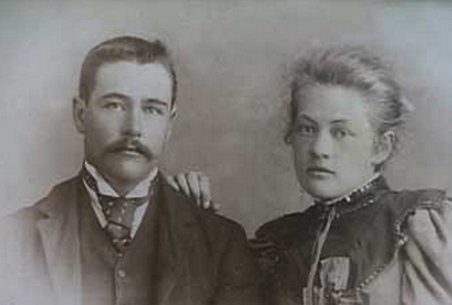
Great great grandfather Borrie joined a commando which operated in the mountains of the Free State. He was amongst 5000 other Boers that were eventually captured three months later at Surrender Hill. He was sent to Bermuda as a prisoner of war where he spent the next two years. These long two years brought no word of his wife and baby and he did not know of their fate, whether they were still alive or not in the war zone back home.
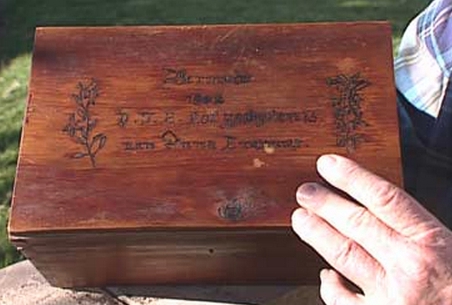
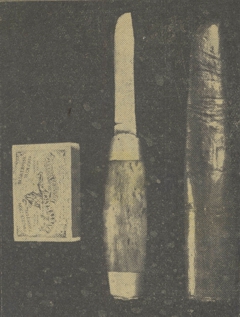
The wooden box was made for his beloved wife while he was exiled in Bermuda. It is inscribed " With Fondest Wishes for my wife Anna Erasmus, 1900."
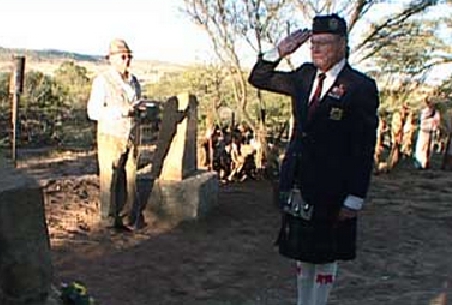
So where does John Maile fit into this story you may wonder? John Maile's father was one of the Granadier Guards attacking at Biddulphberg. John's father was injured in 10 places (according to Mr John Maile) and would have died in the veld fire had it not been for the Boers who came and pulled him out of the fire to save him from a dreadful death. John had said that if were still alive in 2000, he would return to Senekal and honour his father .
In the photo above he stands where the Boer pom pom gun was positioned and salutes to the memory of his father while the proud old family farm witnesses the event.
The wooden box lovingly made by GG Grandfather Erasmus is still in their possession.
angloboerwarmuseum.com and samilitaryhistory.org/
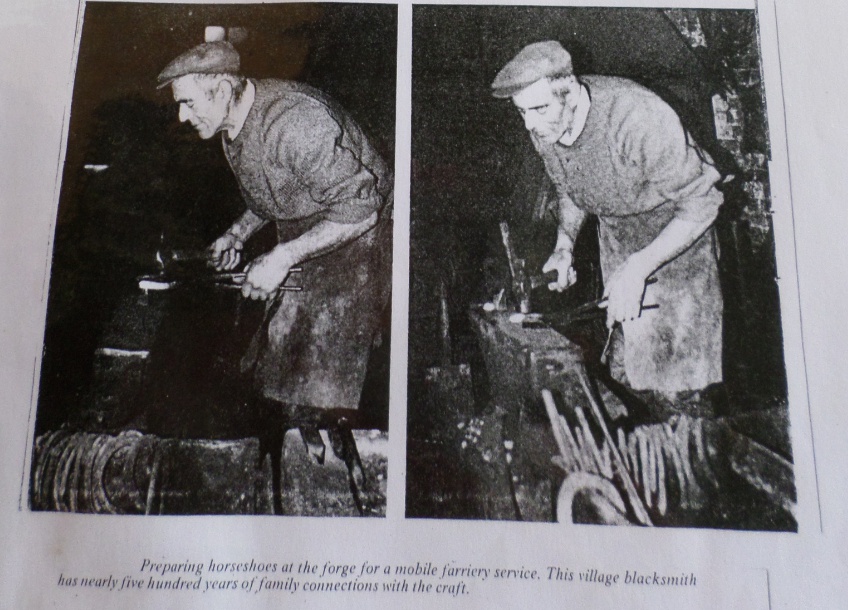
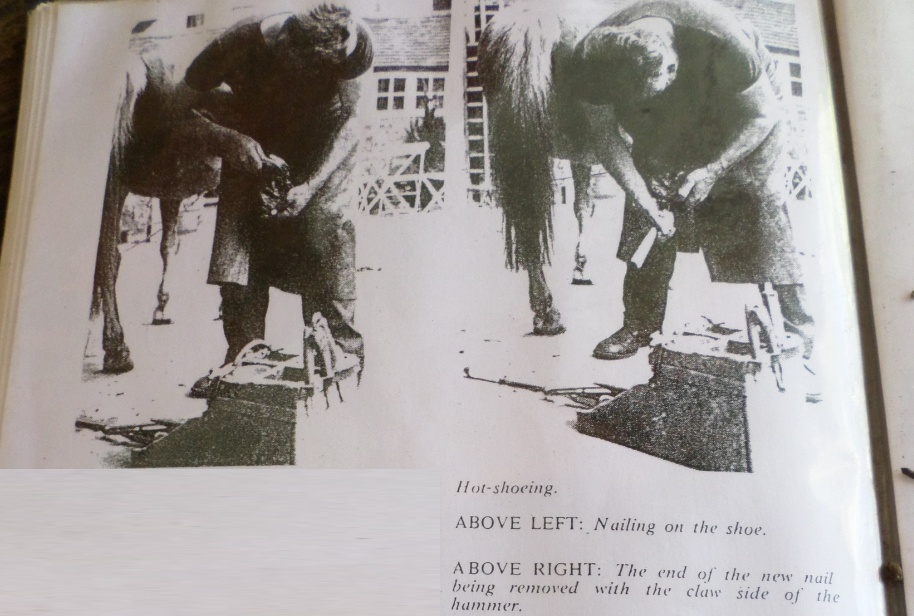
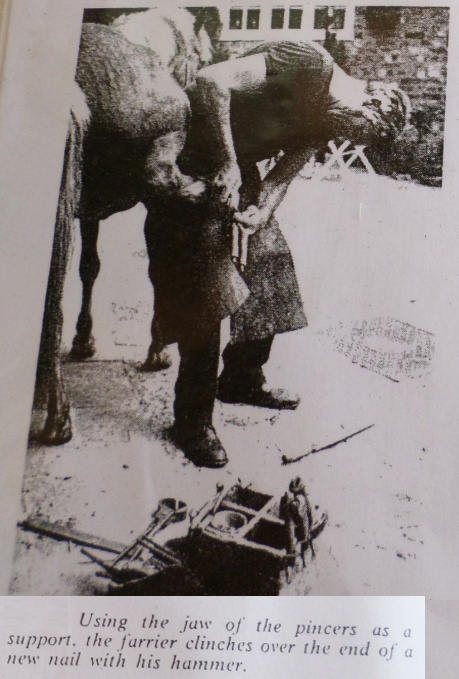
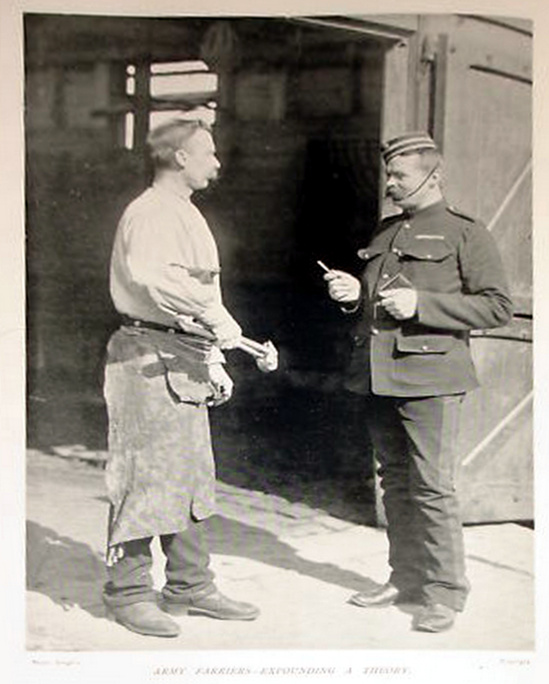
Farriers and Blacksmiths
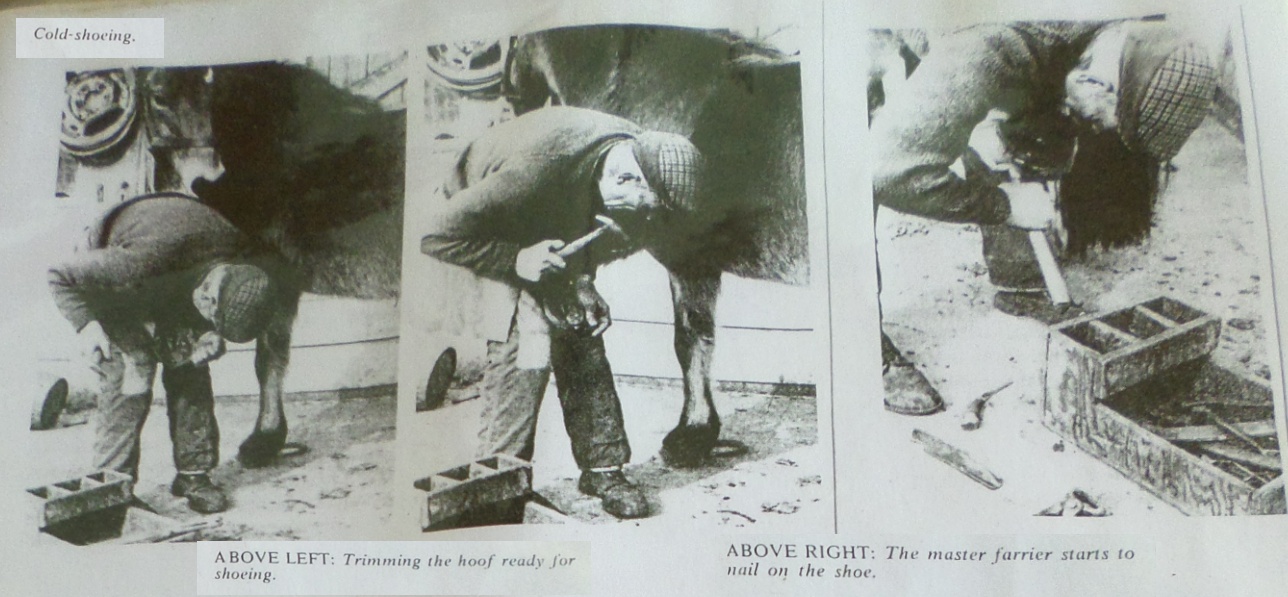
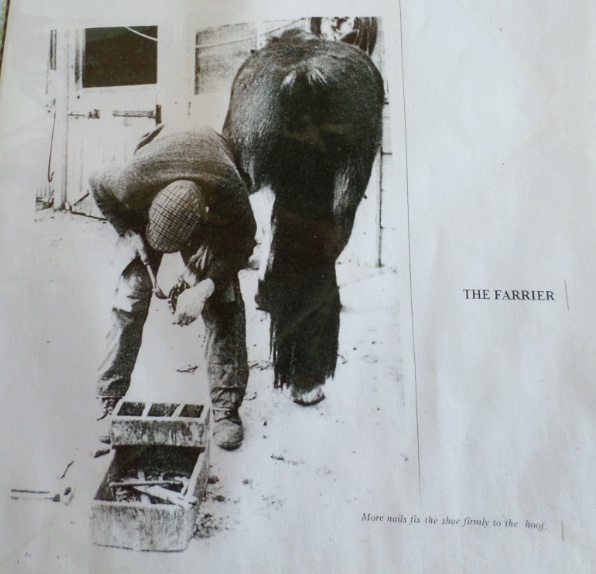
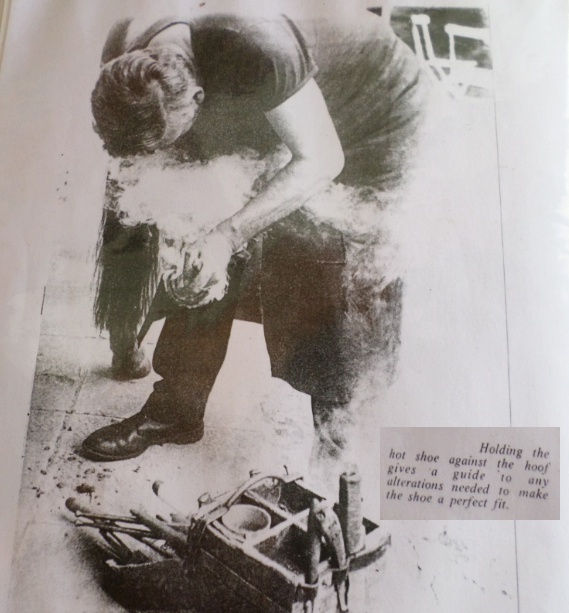
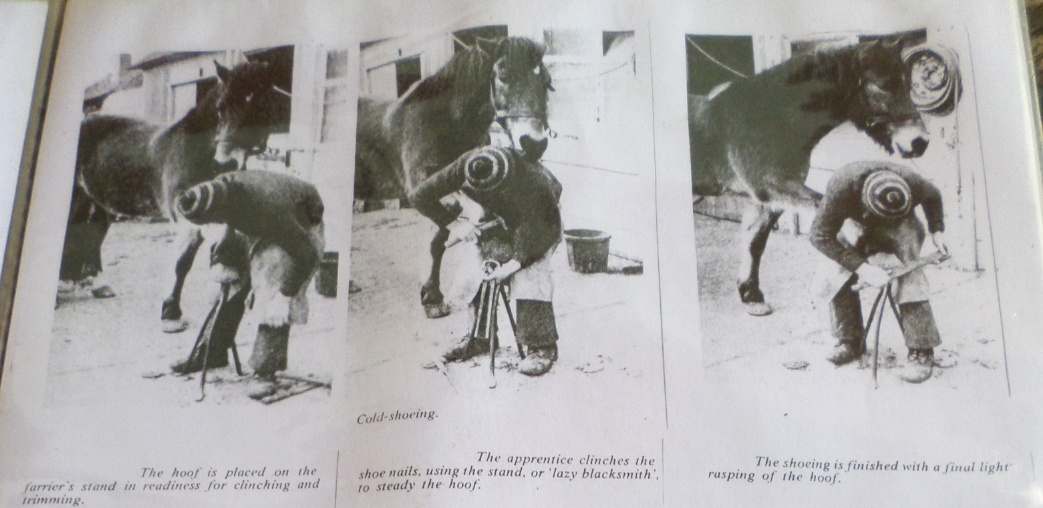
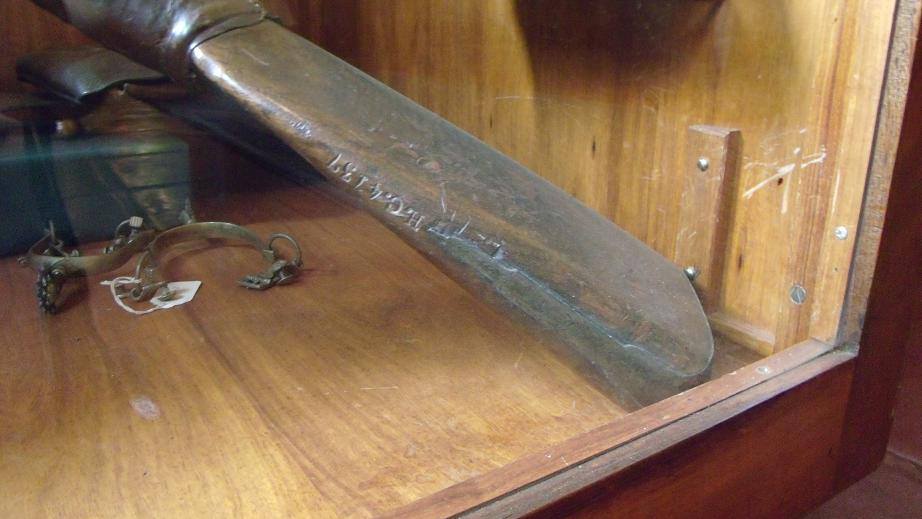
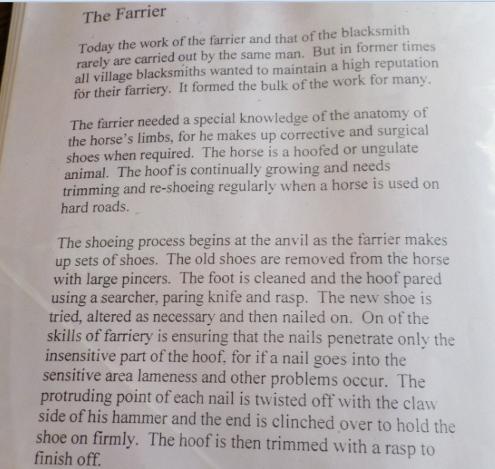
My great Grandfather Wilson was a farrier / blacksmith and during the Great War he served as a shoe-smith in both German South West Africa and also German East Africa. So little info on his trade but I was fortunate enough to source this at the Winterton Museum in Natal when we took a few off days in the Drakensberg.
Being a shoe-smith did not exempt you from soldier duties. The shoe-smith was both so he in fact played a double roll. The sad sights he must have seen.
A Typical Smithy workshop
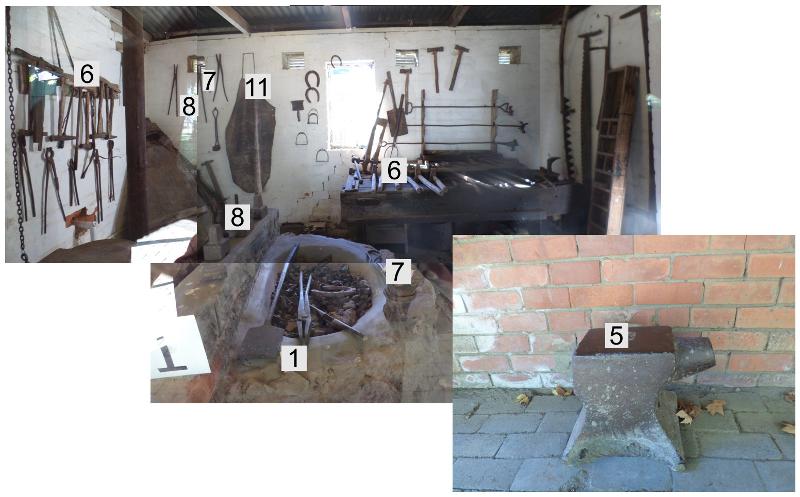
- The fire is on a raised hearth, usually of bricks.
- The bellows are used to create a draught needed to bring the fire to a sufficient temperature to heat the iron for working.
- A lever to hand operate the bellows.
- A blast pipe or tuyere projects directly into the fire. It is connected to the bellows by a pipe and is water cooled.
- The Anvil normally made of wrought iron, with a steel face added to part of the working surface. At one end of the face is a square hole (hardie hole) to hold the shank of a bottom tool. Close to this is a round hole over which small holes can be punched (Normally used to make the nail holes in horseshoes.)
- A variety of hammers for various jobs and a large sledgehammer which is essential when a striker or hammer-man is assisting with certain work.
- Tongs for holding hot iron (often made by the smith or his forebears. Tools for cutting iron for both hot and cold work – chisels, sets and hardies.
- Shears for cutting sheet metal.
- Steel leg vice (typical of every smithy.
- Tyre bender.
- Leather apron
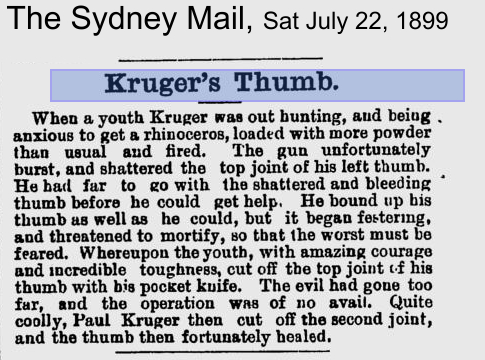
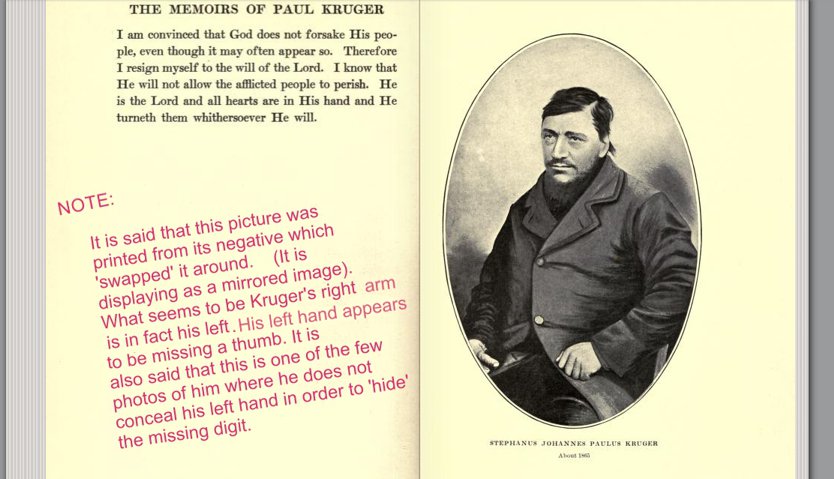
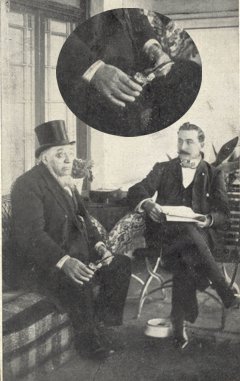
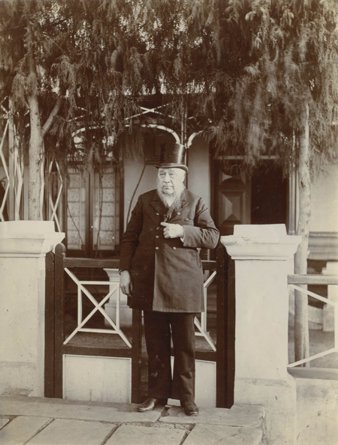
The President's Thumb
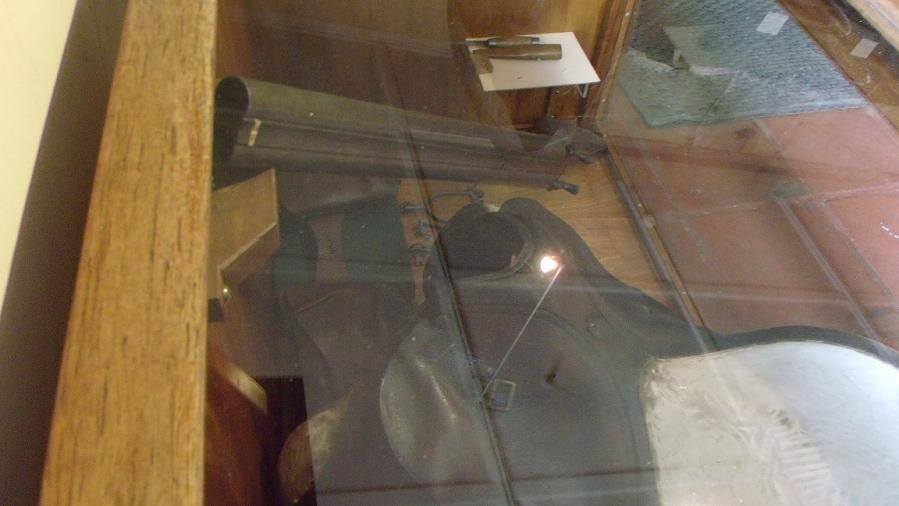
COMMENT: MC Heunis Not sure about the "more powder than usual" story... As far as I know it was a double barreled muzzle loader. He fired the first shot and unfortunately the ball in the second barrel moved. When he fired the second barrel it burst - as most ML guns do if they are "short started", i.e. when the ball/projectile is not rammed home and directly on top of the powder. Here is one of Kruger's huge guns displayed at the Kruger House Museum in Pretoria:
Carriage Clocks for the Boys
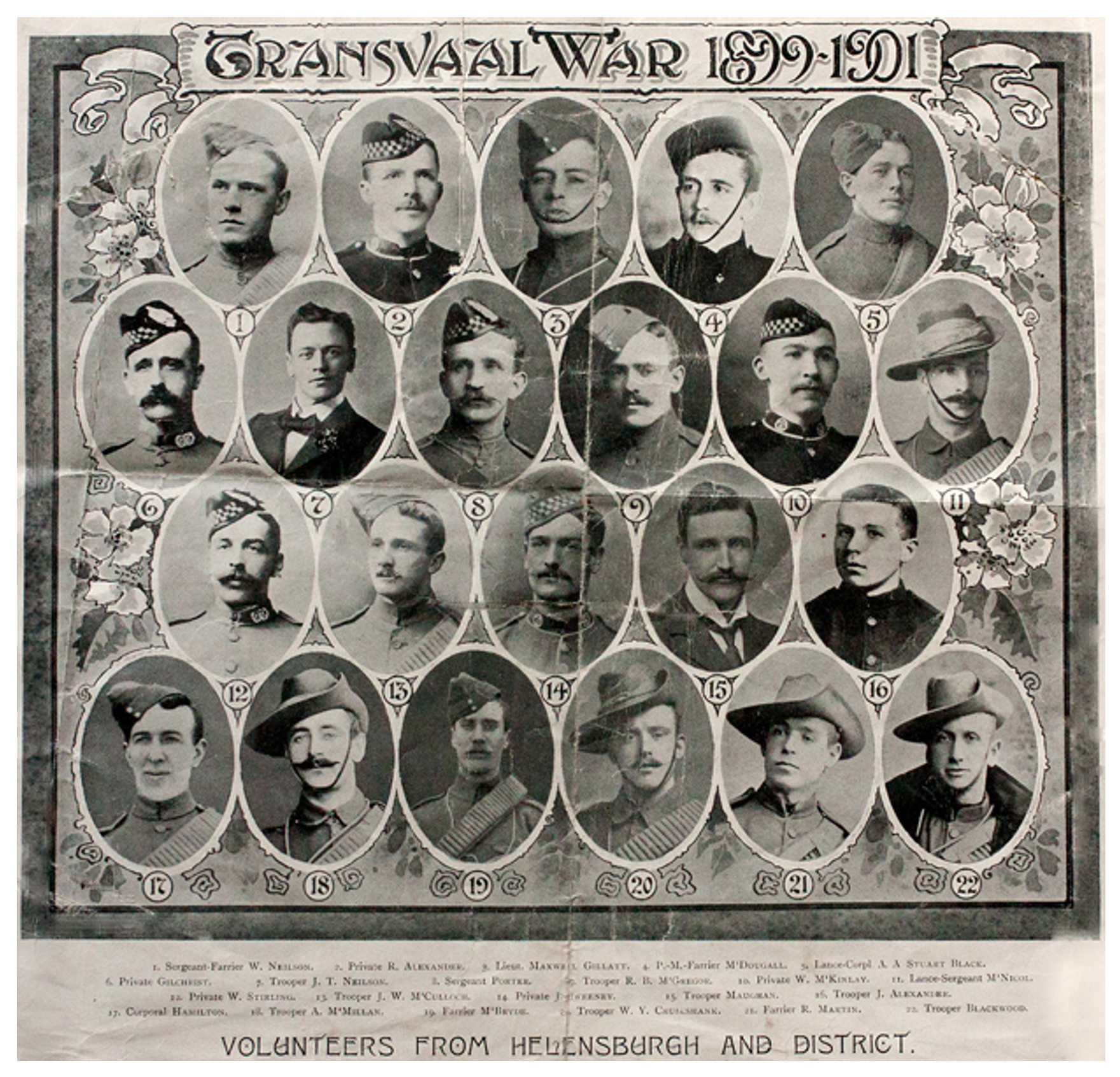
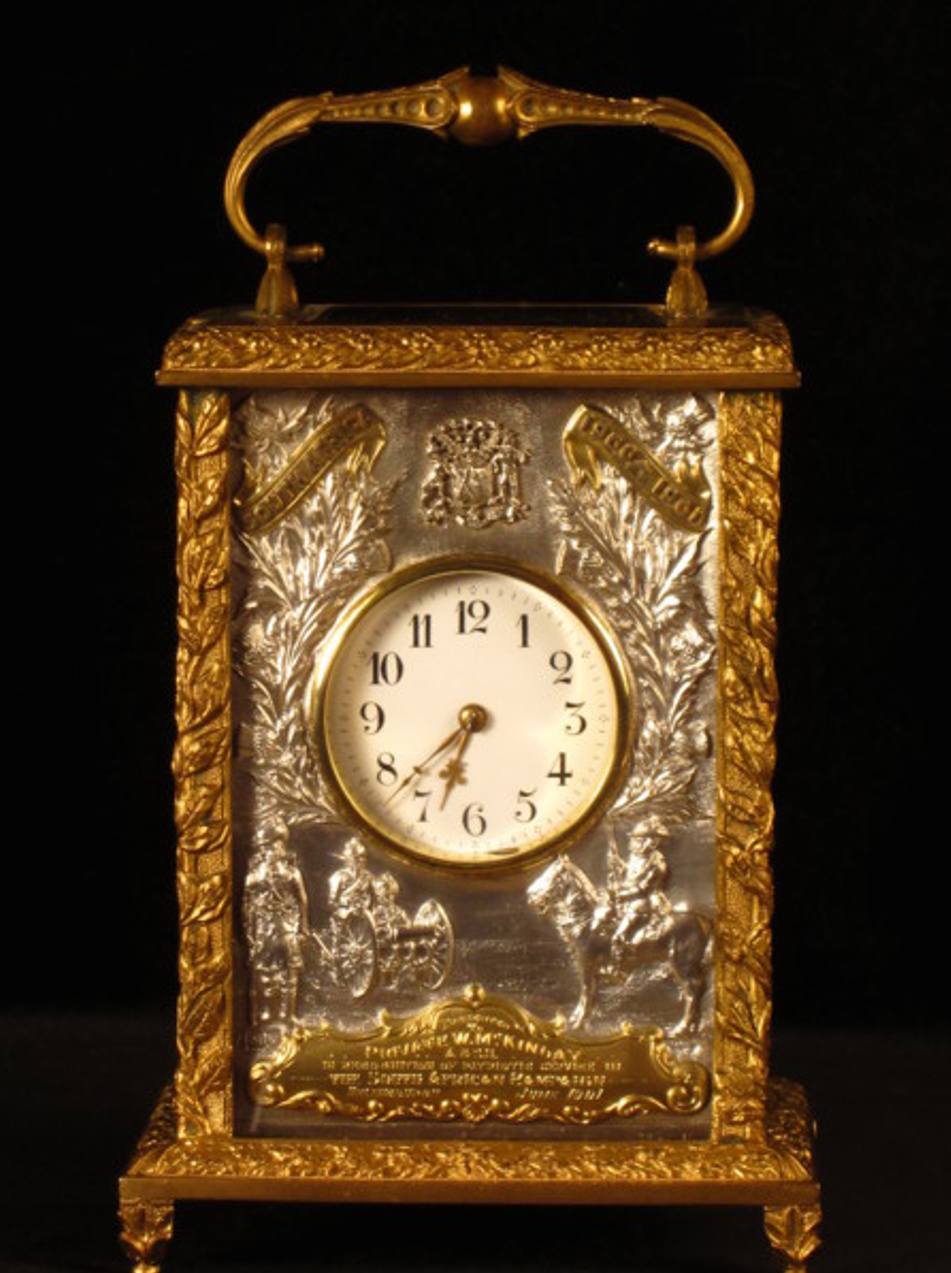
22 Helensburgh soldiers received carriage clocks in recognition of their service in the Boer War
The 22 local soldiers who took part in the conflict were each presented with a carriage clock made to a special design by Messrs Elkington & Co. of London of oxidised silver and brass.
Above the dial is a reproduction of the burgh coat of arms, with South Africa and 1899-1901 on either side. At the foot of the dial is an Argyll and Sutherland Highlander, a field gun, and an Imperial Yeoman. The inscription read: "Presented to ....................... in recognition of patriotic service in the South African Campaign - June 1901." The clock is beautiful, French movement, Coaullet Freres, 11 jewel.
The NCOs who served in the campaign were Sergeant Farrier William Neilson, Sergeant Daniel L.Porter, Lance-Sergeant John McNicol, Corporal John Hamilton, Corporal A.A.Stuart Black, and Corporal George S.Maughan.
The other soldiers were Farrier Peter McDougall, Farrier John McBride, Trooper Robert B.McGregor, Trooper W.Young Cruickshank, Trooper Alex McMillan, Farrier R.Martin, Trooper John Blackwood, Trooper James Alexander, Private Robert Alexander, Private James Sweeney, Private Alfred Gilchrist, and Private William Stirling.
The clocks originally cost ten guineas each, and the total cost to Helensburgh Town Council was £261, including a plaque which was erected in the Municipal Buildings and is still there.
This contains 44 names, and it is likely that the second 22 served there in 1902 when the Boer were still conducting an effective guerilla campaign, but did not receive clocks when they returned.
REFS.
Smorenborg's Wooden Box
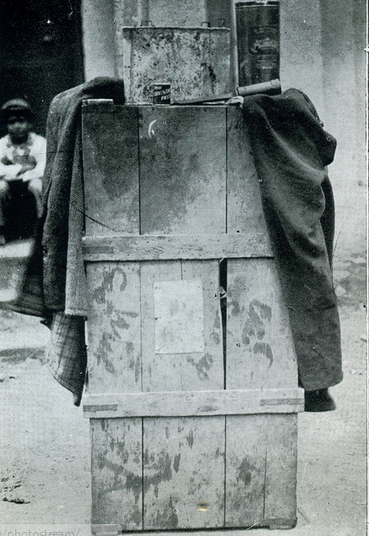
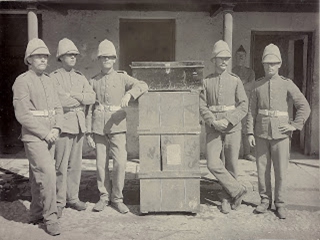
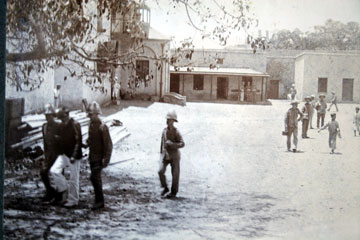
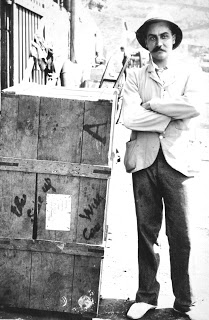
During the Anglo Boer War over 5,000 Boer POWs were sent to St. Helena between April 1900 and February 1902. Andries Smorenborg was one of them who after roughly 1 year of incarceration attempted to escape. In December 1901 he made a crate for himself . He then made a label marked "Curios”, ”Handle with Care” and “This Side Up” and "mailed" himself from Saint Helena on the north-bound Union Castle Mail Ship SS Goth.
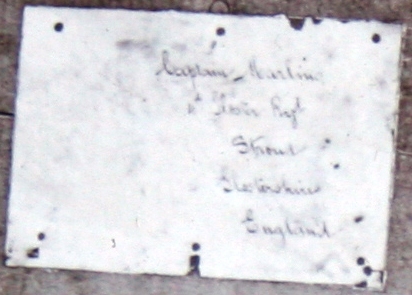
The crate was addressed with a false address in Stroud, Gloucestershire. Andries had packed clothing, matches, and enough food and water for 20 days. Now ready he climbed inside his box and was loaded aboard. As is the norm to this the labels on the crate had no influence over the manner in which the valuable crate and contents were handled. It was tossed about and overturned which resulted in Smorenborg being concussed. He also lost most of his water.
Now back at St Helena, he failed to appear at roll-call and eventually his disappearance was linked to the mysterious crate and the recent departure of the Goth. The telegraph cable from St. Helena to Ascension had been laid the previous year so news of the missing prisoner and mysterious crate reached Ascension as well as a request to look out for him. Captain John Attwood discovered Andries on Christmas Day when the ship was out at sea. The Goth landed at Ascension and the escaped Andries Smorenborg was handed over to the authorities and returned to St. Helena.
The New York Times of 27 December 1901 reported as follows:
Boer tried to escape in a box.
ASCENCION, Dec 26 - The British steamer, Goth, from South African ports, arrived here today. A Boer prisoner, who was smuggled on board the vessel in a box at St Helena, was handed over to the British naval authorities here.
I believe that the box was taken from St. Helena and the Smorenborg family gave it to Miss Anna Smith of the Johannesburg Museum, now Museum Africa.
A Forerunner of On-Line Chess
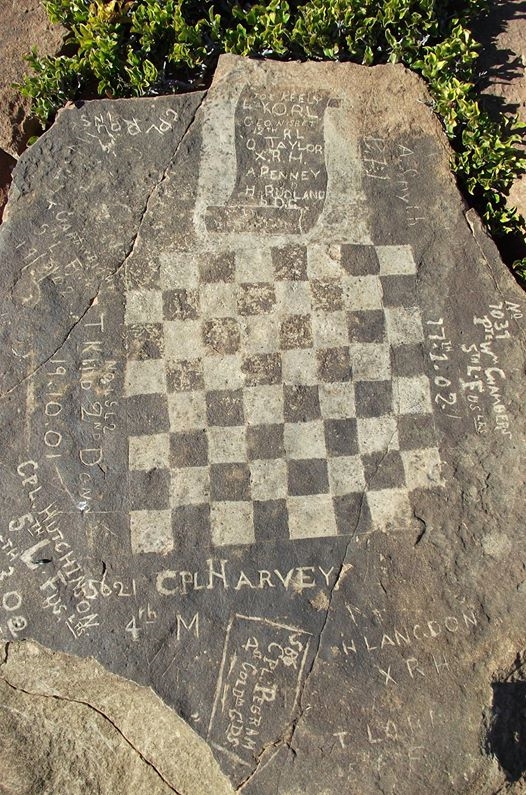
During the late1800s, British soldiers created a chessboard on the top of Saltpeterskop, a 1514m high koppie in the Park. While hiding out during the Anglo-Boer War, they played chess with their fellow soldiers in the old fort in Cradock, transmitting moves by means of a mirror, which had the official purpose of communicating warning signals.
The story goes that a certain farmer – unbeknown to the soldiers - picked up the signals and started a game against the soldiers while sitting on the stoep of his farmhouse.
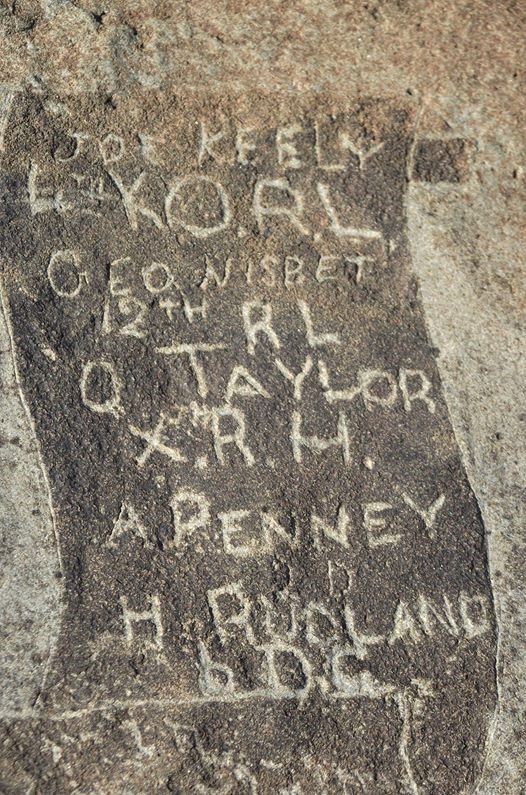
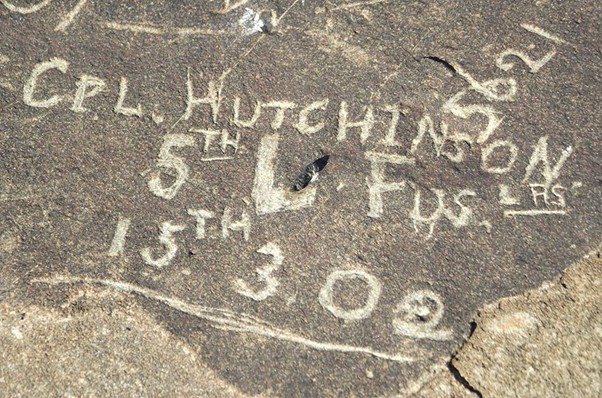
It is not clear who won or if the antagonists ever met, but the board and the name of the soldiers is still etched into a flat slab of rock on the top of the koppie.
The 5th Lancashire Fusiliers and the Coldstream Guards feature and the names of half a dozen privates, corporals and a captain can be made out.
They were up there for at least a year, judging from the dates carved into the rock, from January 1901 to March 1903.
Extracts from Facebook’s The Anglo-Boer War group
Willem van Aardt says:
There were chess boards on 2 different hills, ± 9 kilometres apart. The British troops that manned the two hills as lookout posts, played chess on a daily basis against each other via the heliograph. One morning, when the one group received very unconventional opening moves, they immediately realised that the Rebels had taken the koppie.
(With regard to the chess pieces), We were told that they used different colour, shaped and sized buttons.
Photo credits:
THE LANDSCAPE PHOTO - http://cestlavietlb.wordpress.com/tag/landscape/
THE CHESSBOARD - Ken Gillings's Bush & Battlefield Tours - (email ken.gillings@mweb.co.za)
Black Day of Lawlessness in Central Pretoria
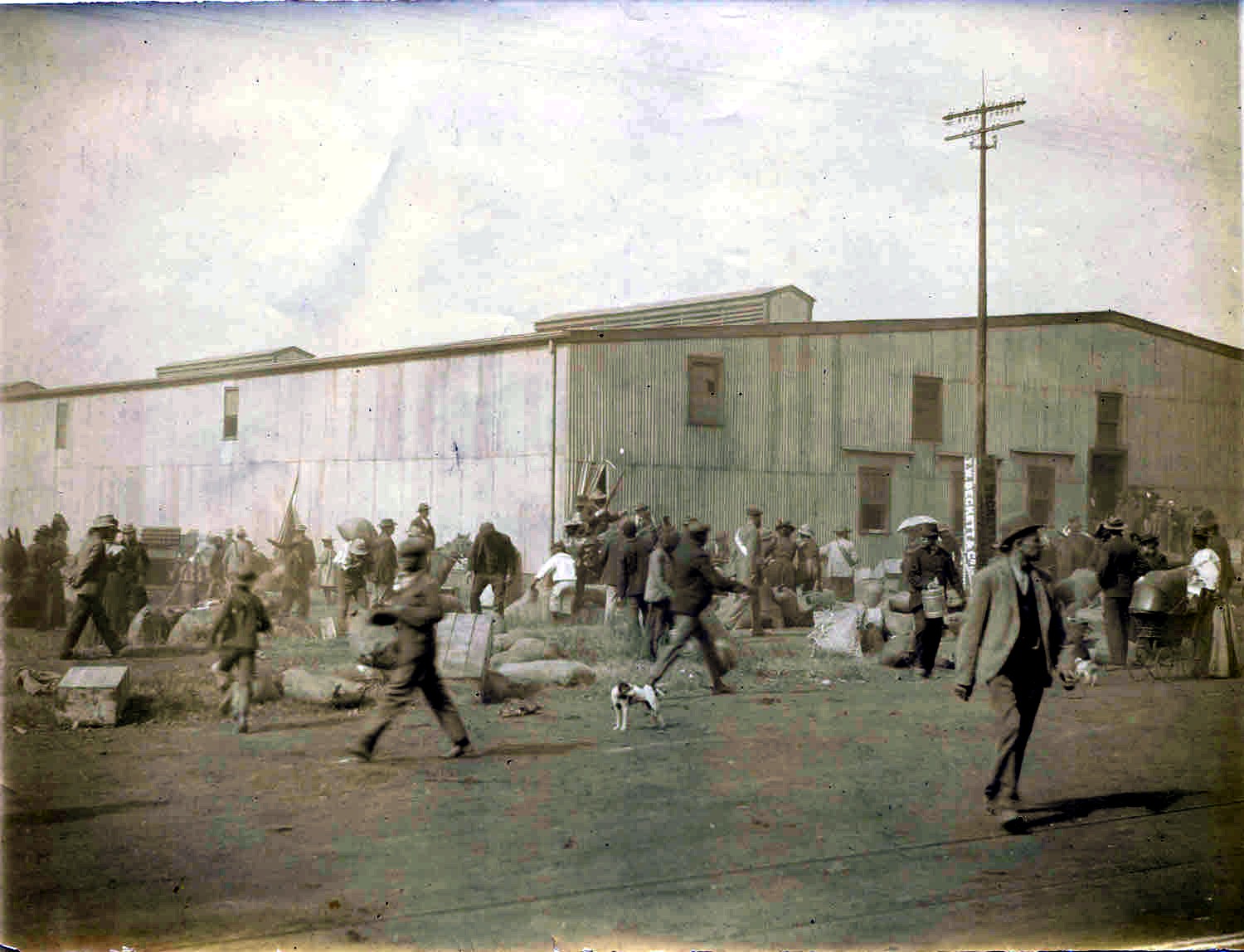
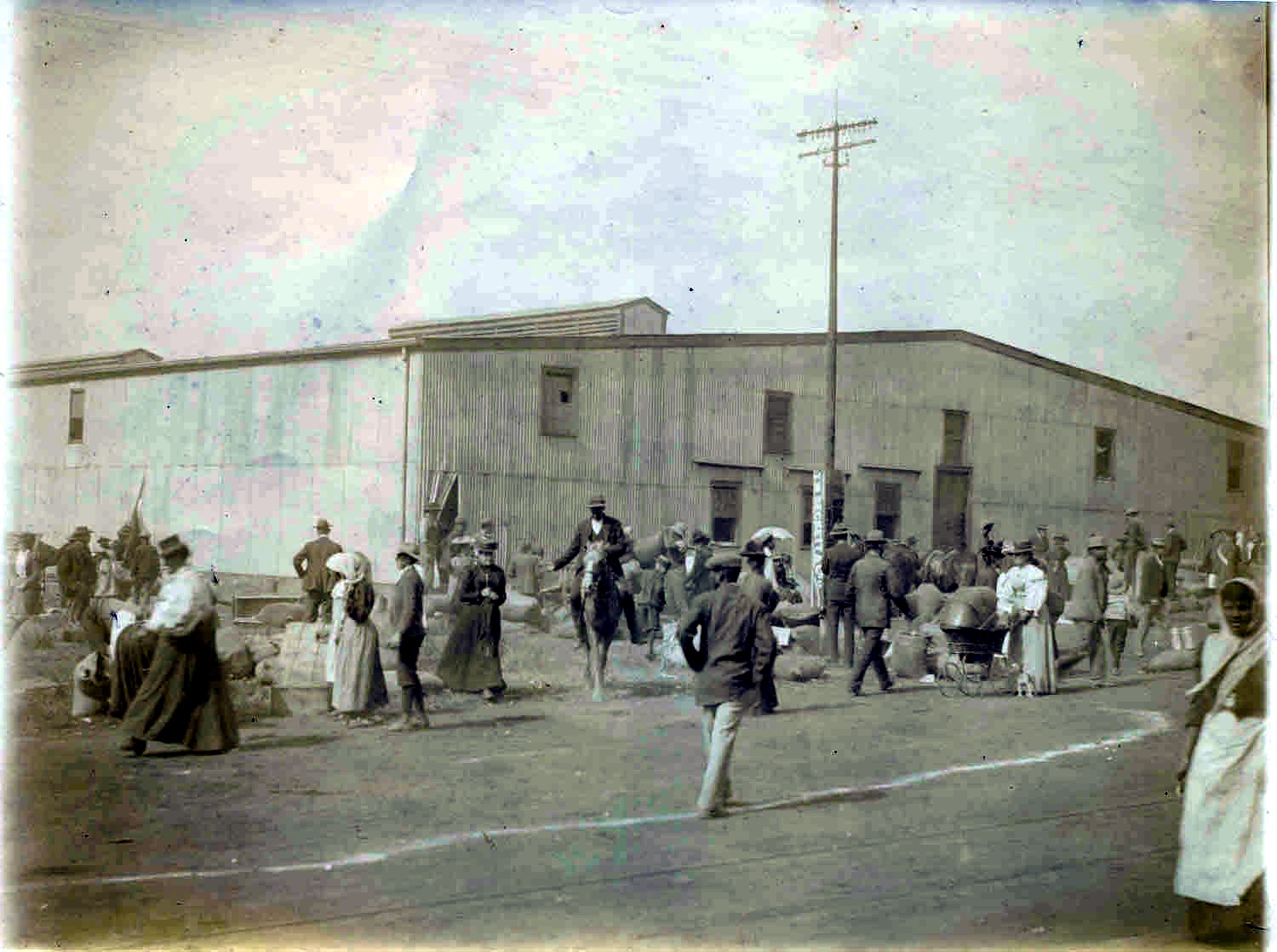
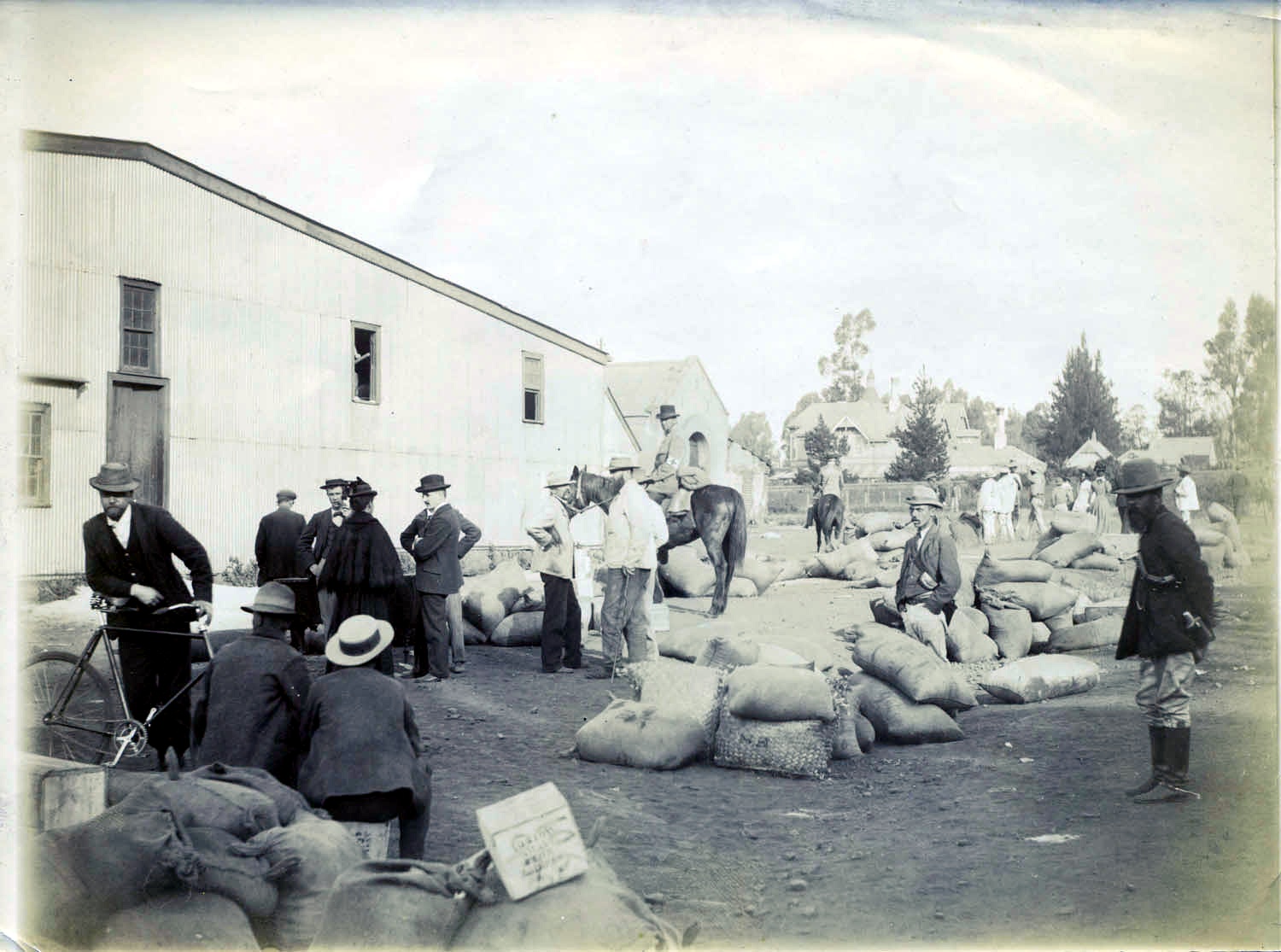
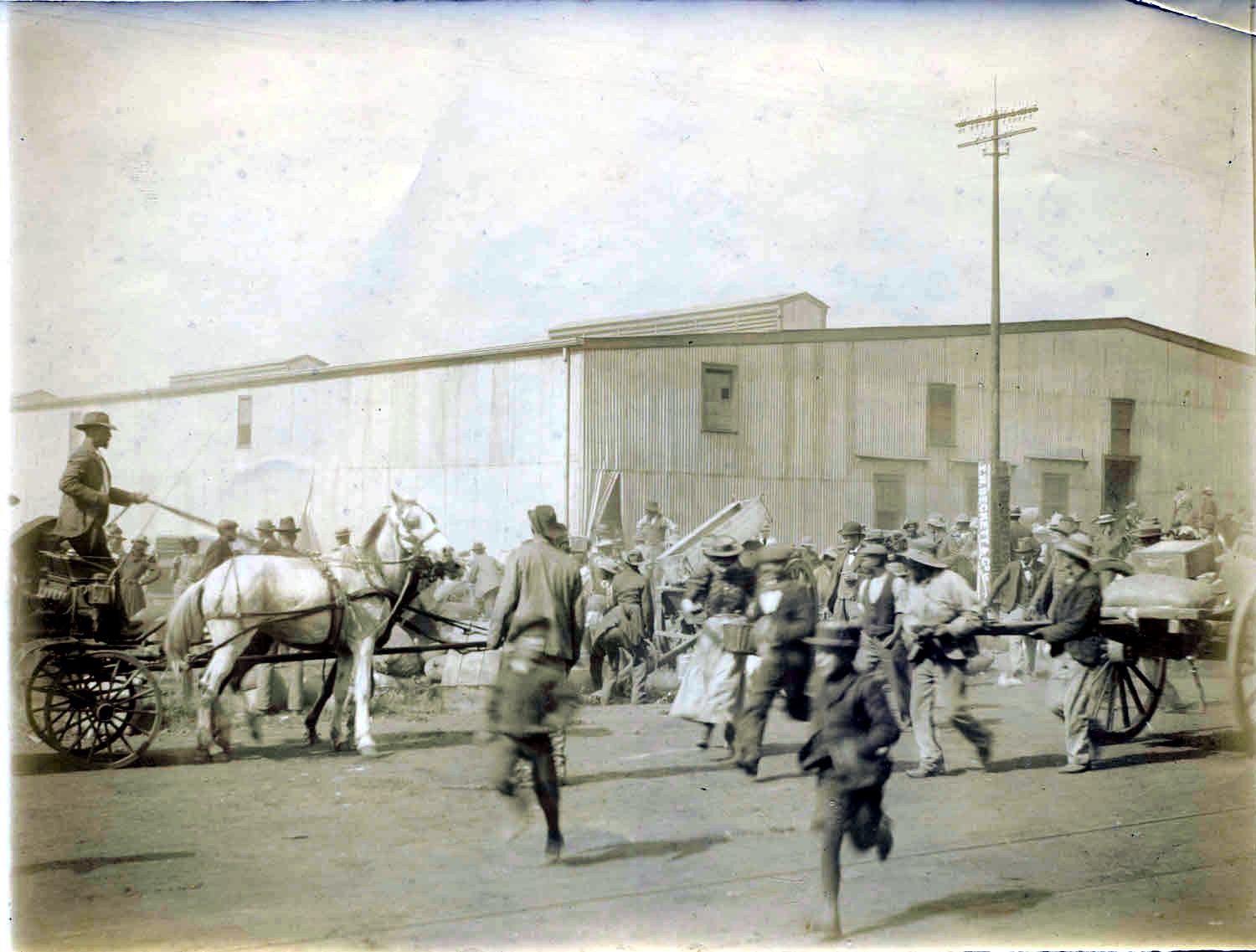
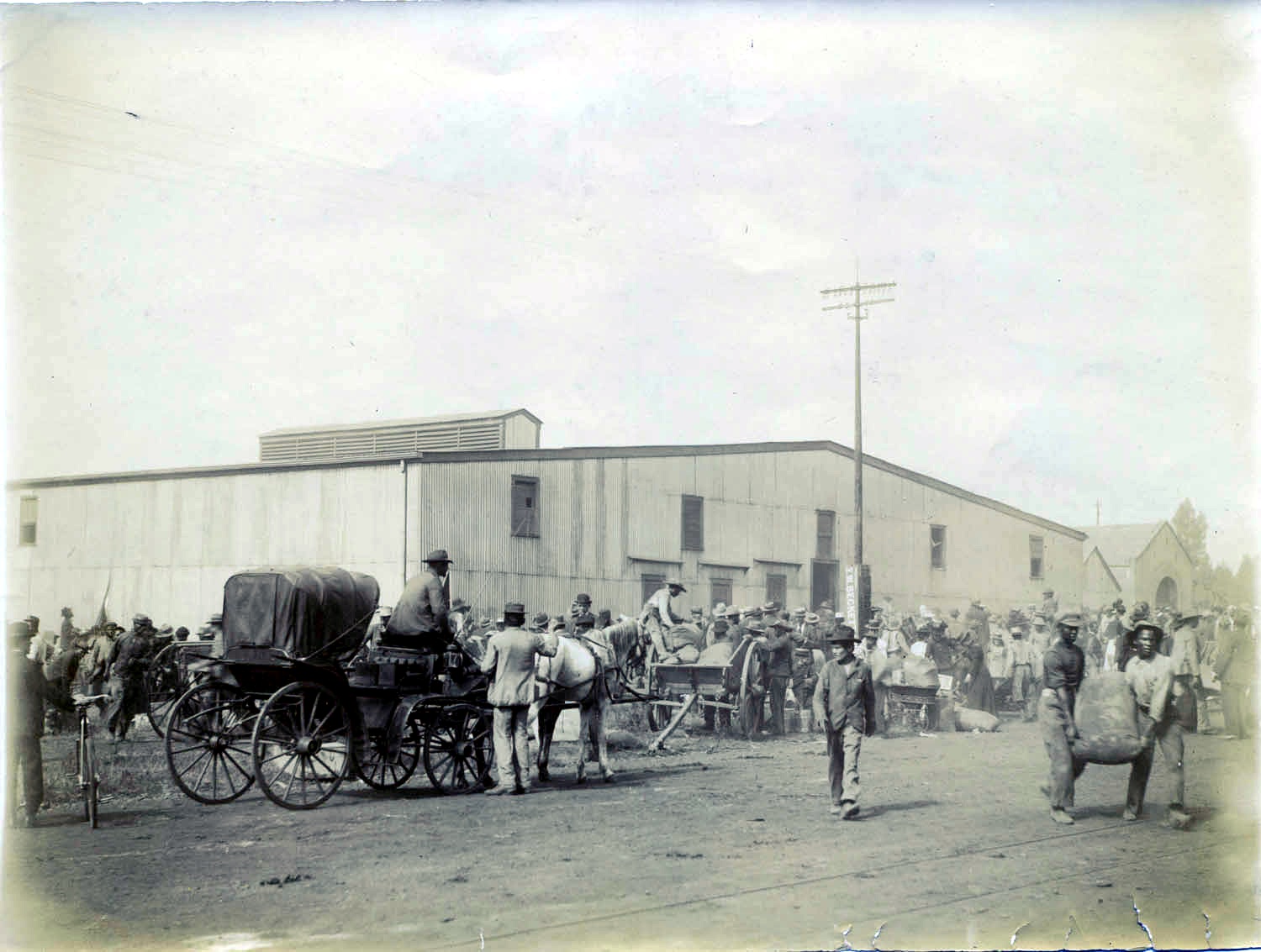
Pretoria, 31 May 1900. While each true Republican in Pretoria is worried about the virtual certainty that the British will occupy the city, tonight many law-abiding and order-loving citizens are also filled with disgust at the scandalous activities of several dozens of Pretorians who are enriching themselves in a criminal way. Yesterday evening plunderers broke into the government magazines on the corner of Market and Visagie Streets, opposite the home of the late Commandant-General Piet Joubert, and carried away loot throughout the night. The severely depleted police force was helpless to prevent this. Indeed, it seems as if some members of the special police force participated in the plundering.
This morning the plundering continued in clear daylight. Many burghers merely indicated that they wanted fodder for their horses. Others explained to our correspondents that they were not actually doing anything wrong, since the supplies would fall into the hands of the British anyway and they wanted to prevent that.
While the plundering was still in progress, General Louis Botha suddenly arrived in the city on horseback. He addressed a crowd of well-wishers from the steps of the Government buildings, calling on everybody to preserve law and order. When a rumour subsequently spread that the British were on the point of occupying the city, the plunderers fled.
The War Reporter by J E H Grobler